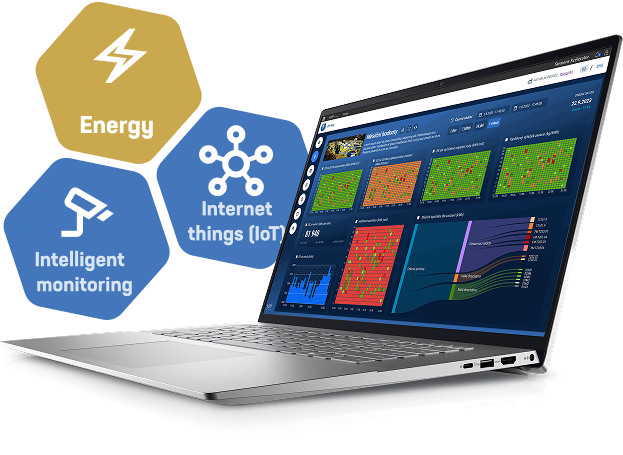

1. Internet of Things (IoT) in Energy:IoT devices provide detailed data on energy consumption, equipment performance, and infrastructure status. This data allows for better control over energy processes and facilitates predictive maintenance.
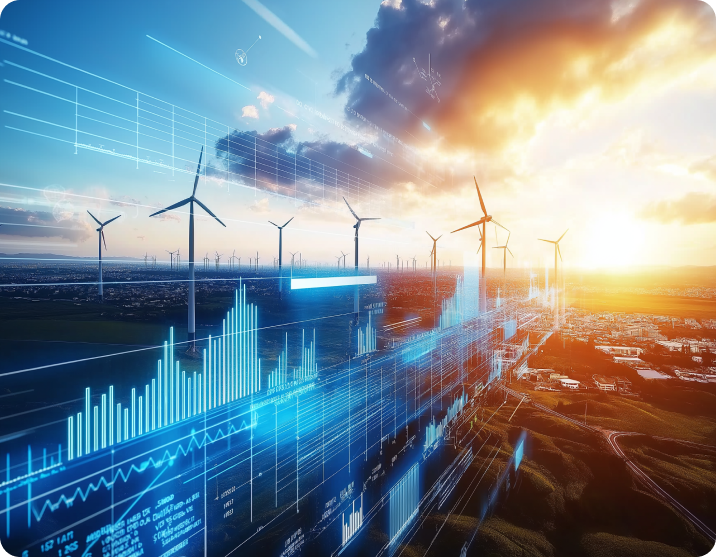
2. Artificial Intelligence and Machine Learning:Analyzing large data volumes using AI and machine learning helps optimize energy production and consumption, predict demand, identify failures, and support real-time decision-making.
3. Energy Platforms and Digital Twins:Virtual models (digital twins) enable the simulation of energy processes and systems for better planning and prediction. This supports efficient design and optimization of energy infrastructure.
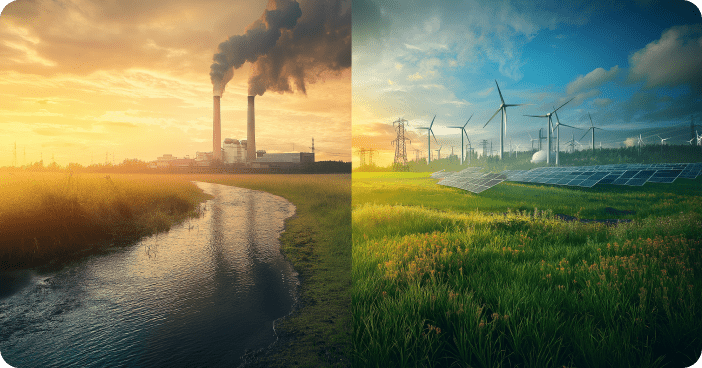
4. Decentralization and Renewable Integration:Digitalization facilitates the management of decentralized energy sources, such as home solar systems, and supports the creation of energy communities that share and trade energy locally.
5. Cybersecurity:With increasing digitalization, ensuring cybersecurity is key to protecting critical energy infrastructure from potential attacks.